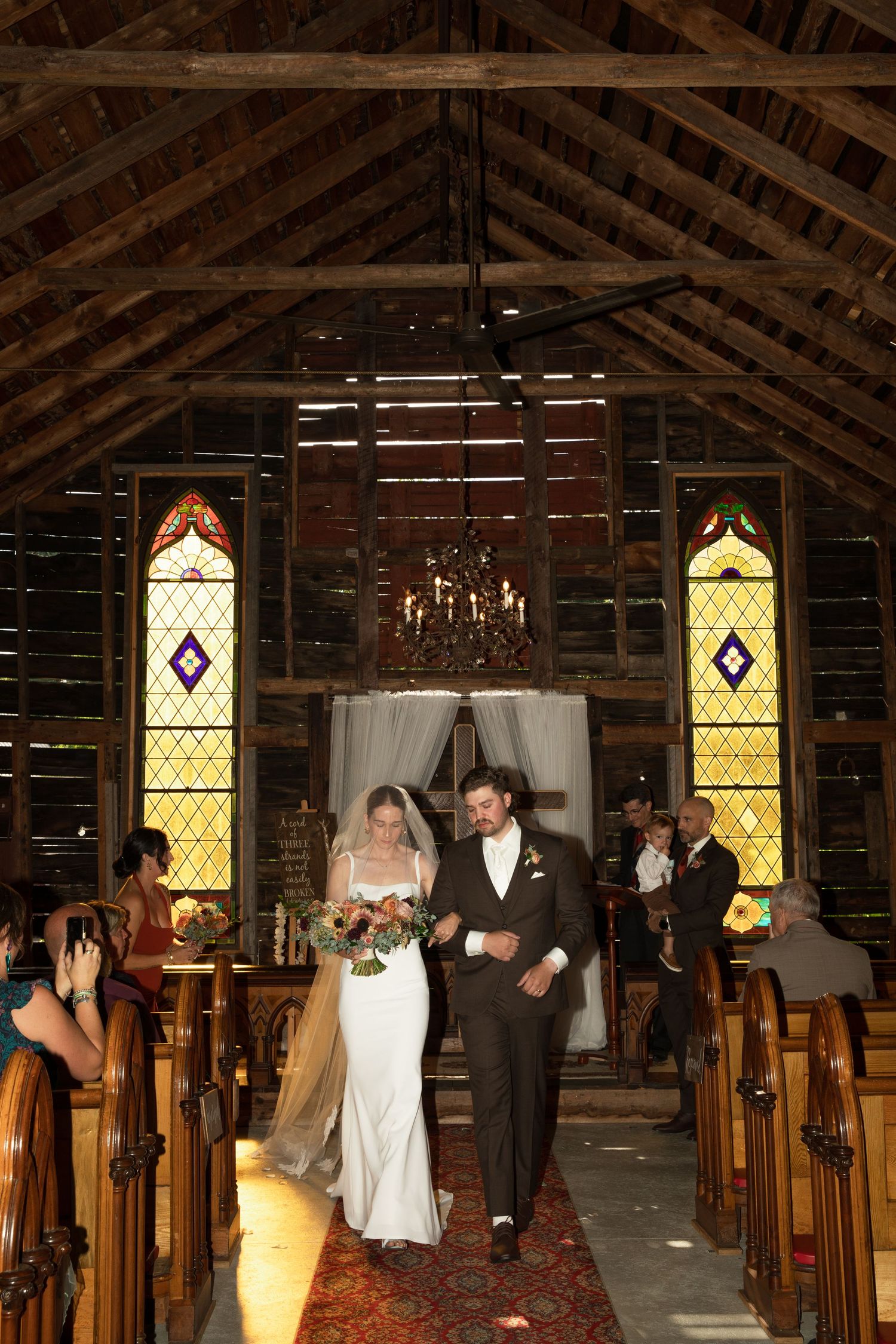
The Ceremony: Where Forever Begins
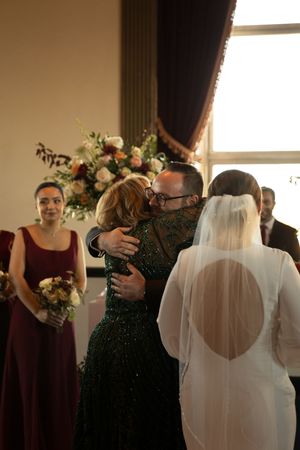
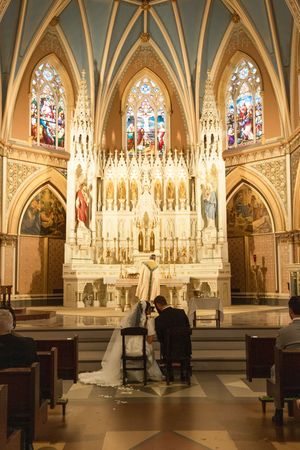
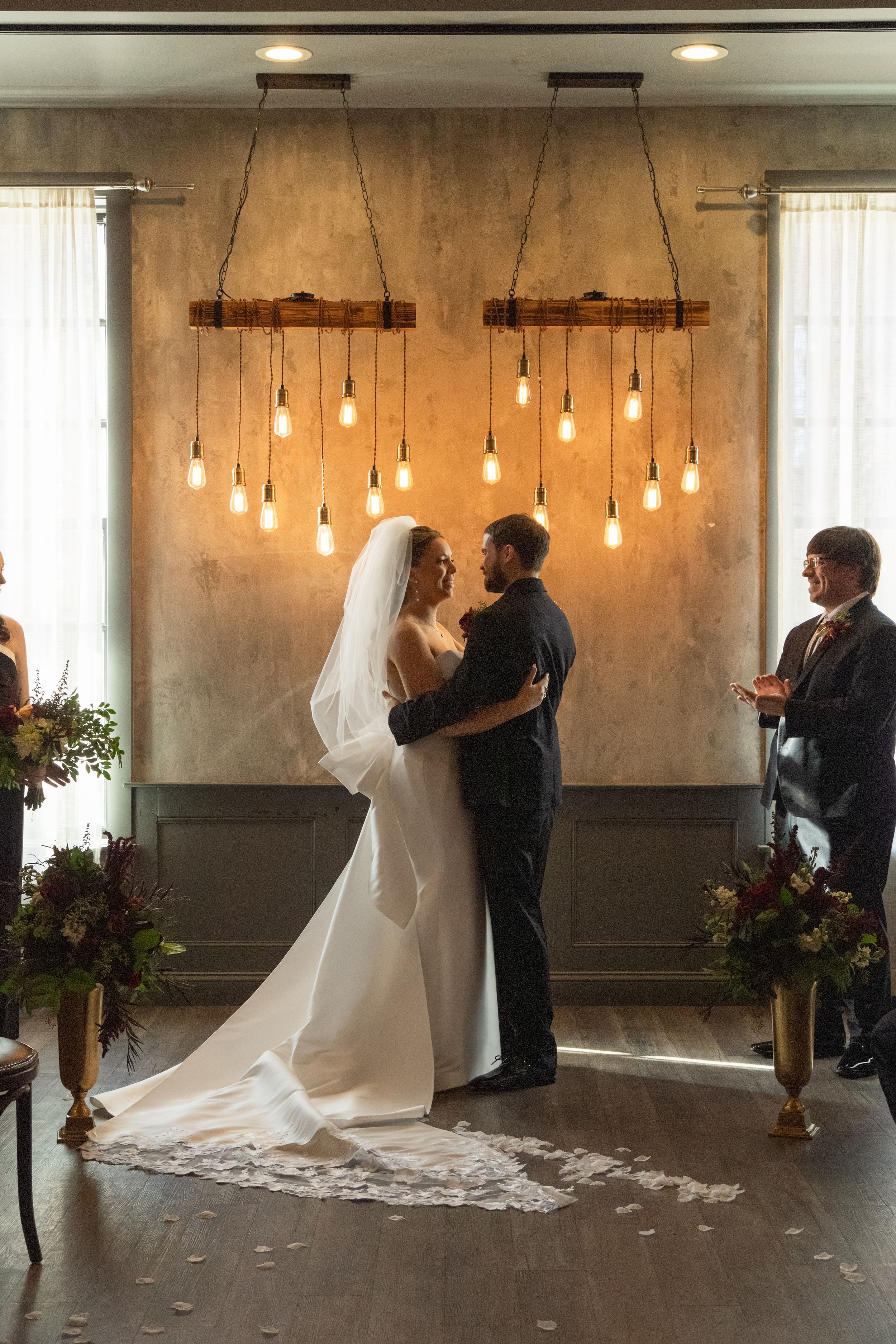
Your ceremony is more than a formality, it’s a reflection of your love, your values, and the people who matter most. I focus on capturing the emotion, the connection, and the little moments you might not see, but will treasure forever.
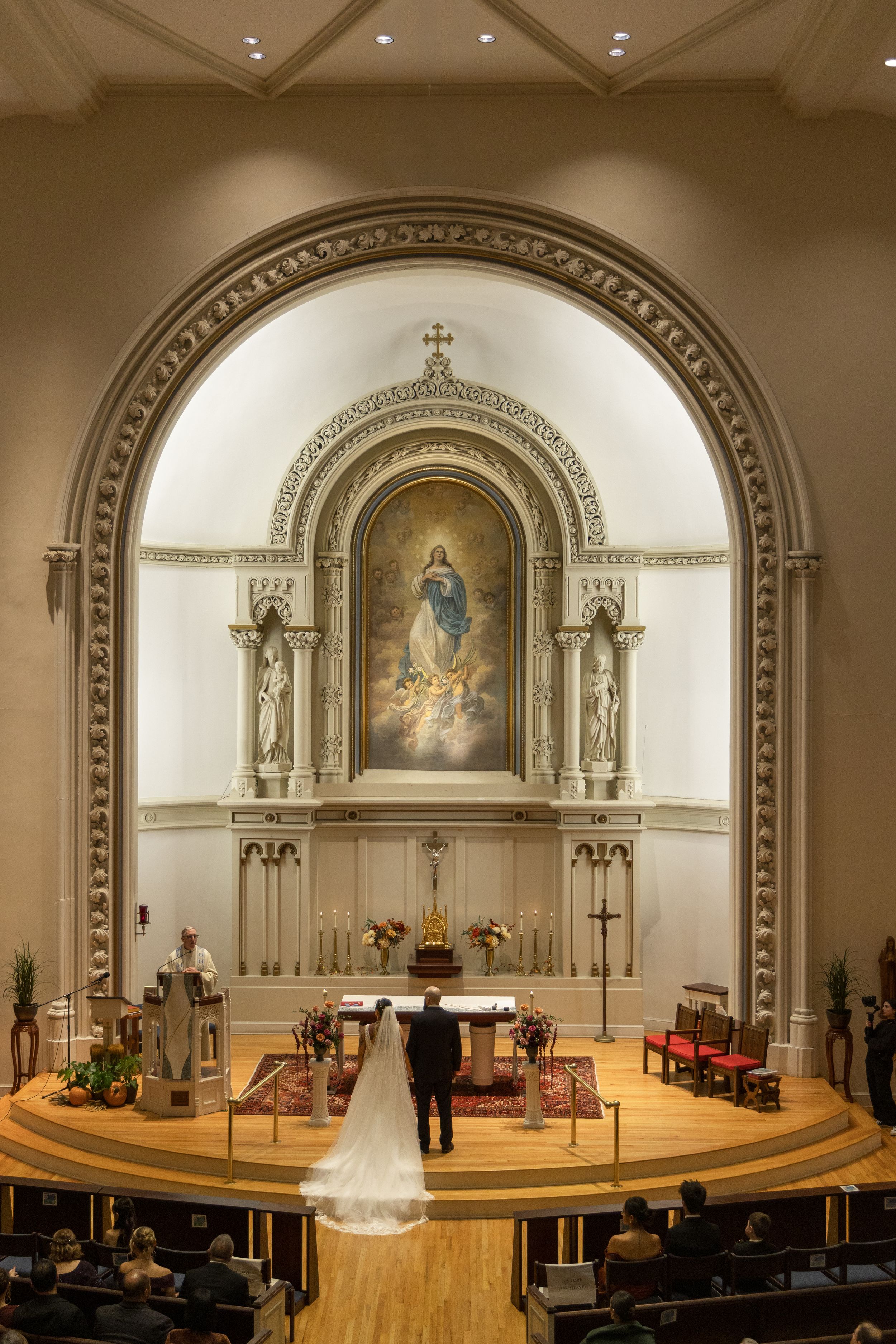
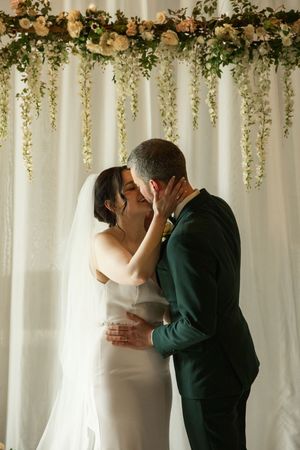
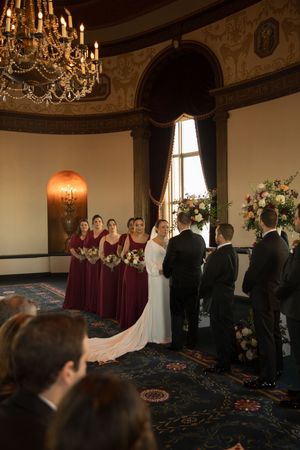
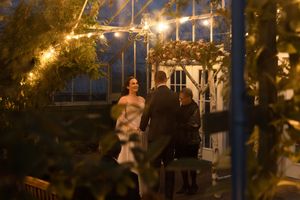

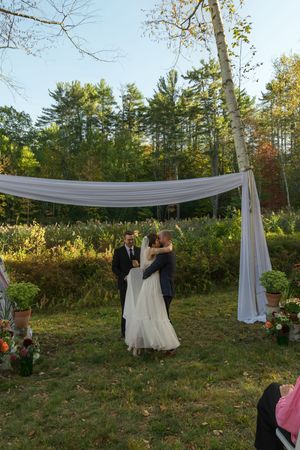
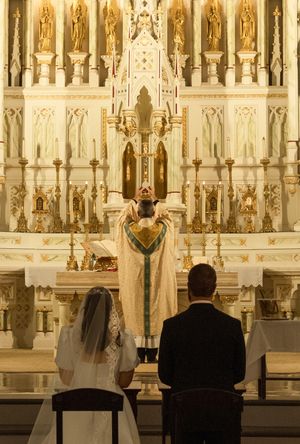
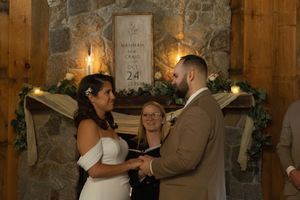
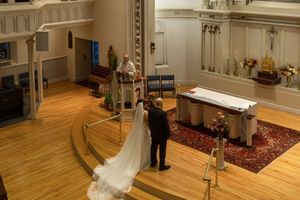
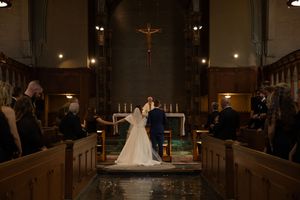
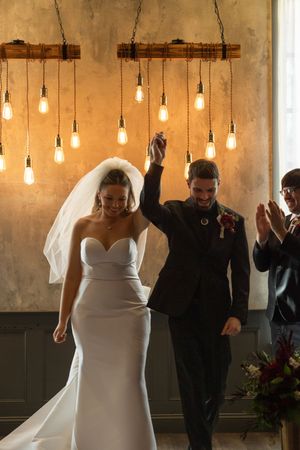
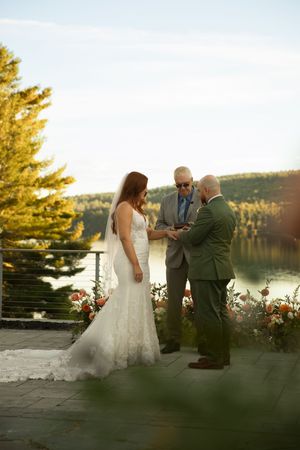
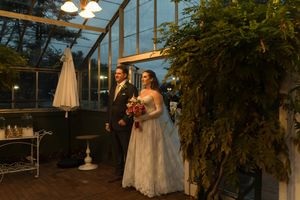
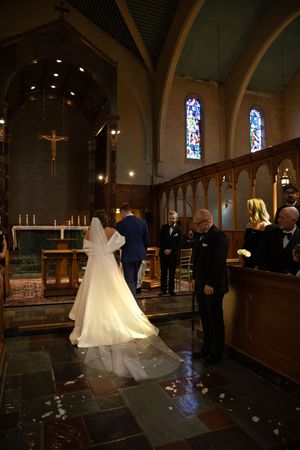
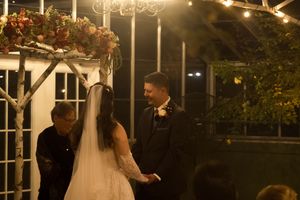
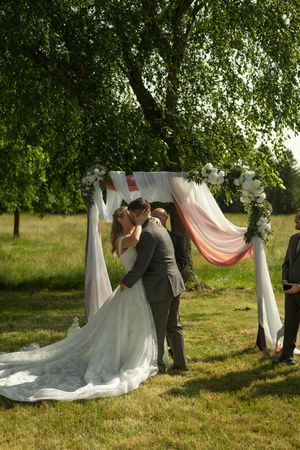
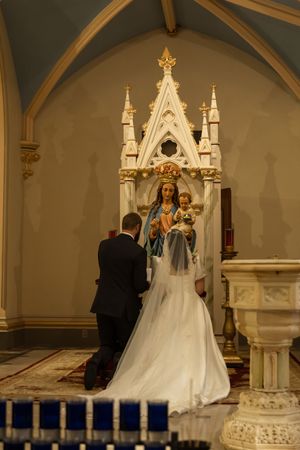
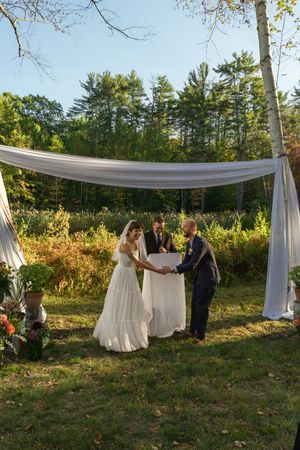
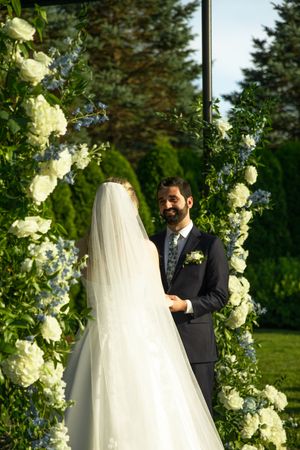
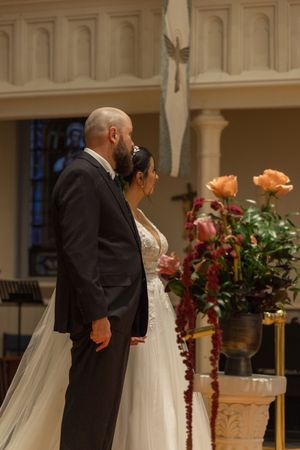
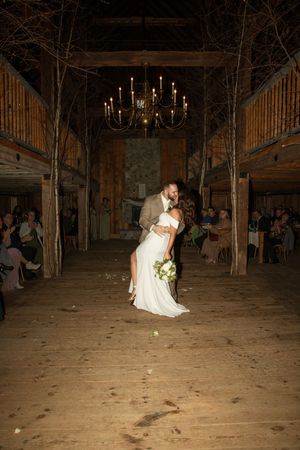
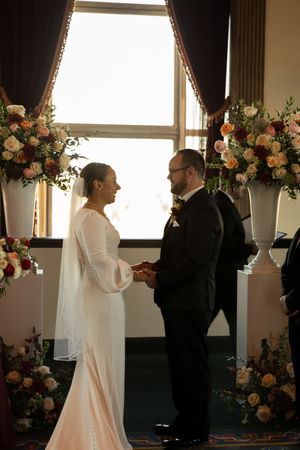
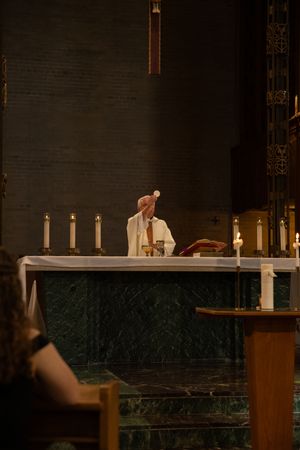
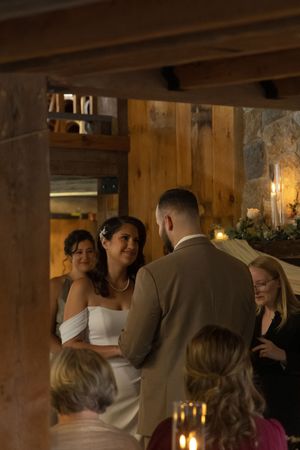
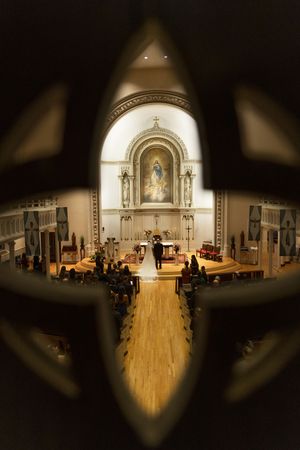
Some things to think about for your ceremony
There are a few small details that can make a big difference in how smoothly your ceremony flows - and many couples don’t think about them until the day of. Here are a few quick things to consider:
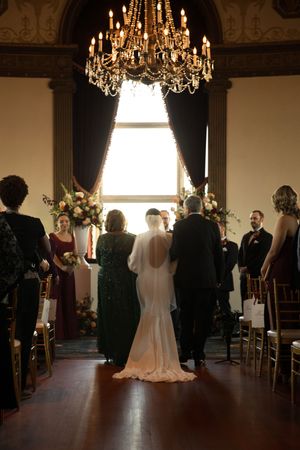
- How will each of you walk down the aisle, and with who? Solo, with a parent, both parents, a sibling, a friend, or together.
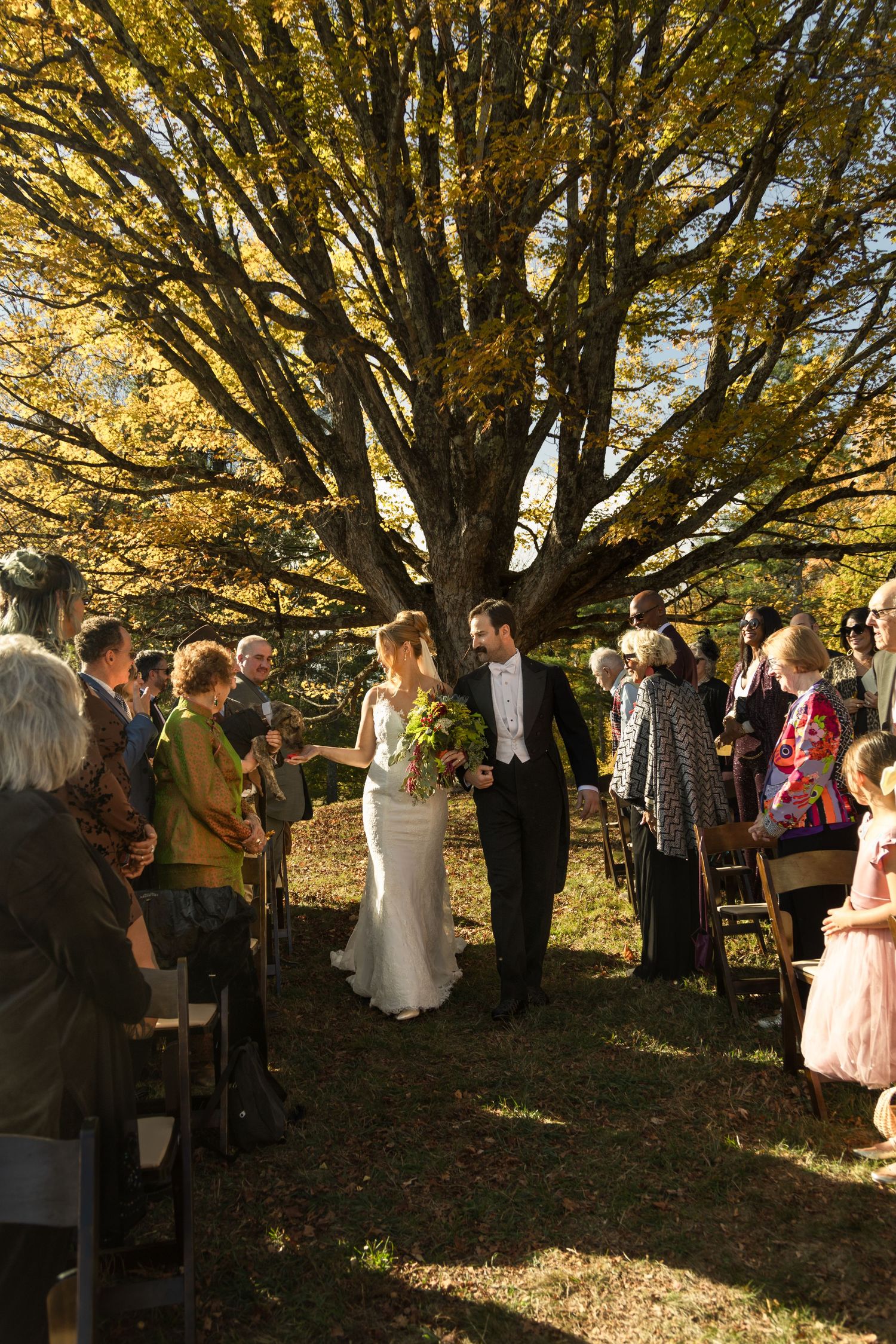
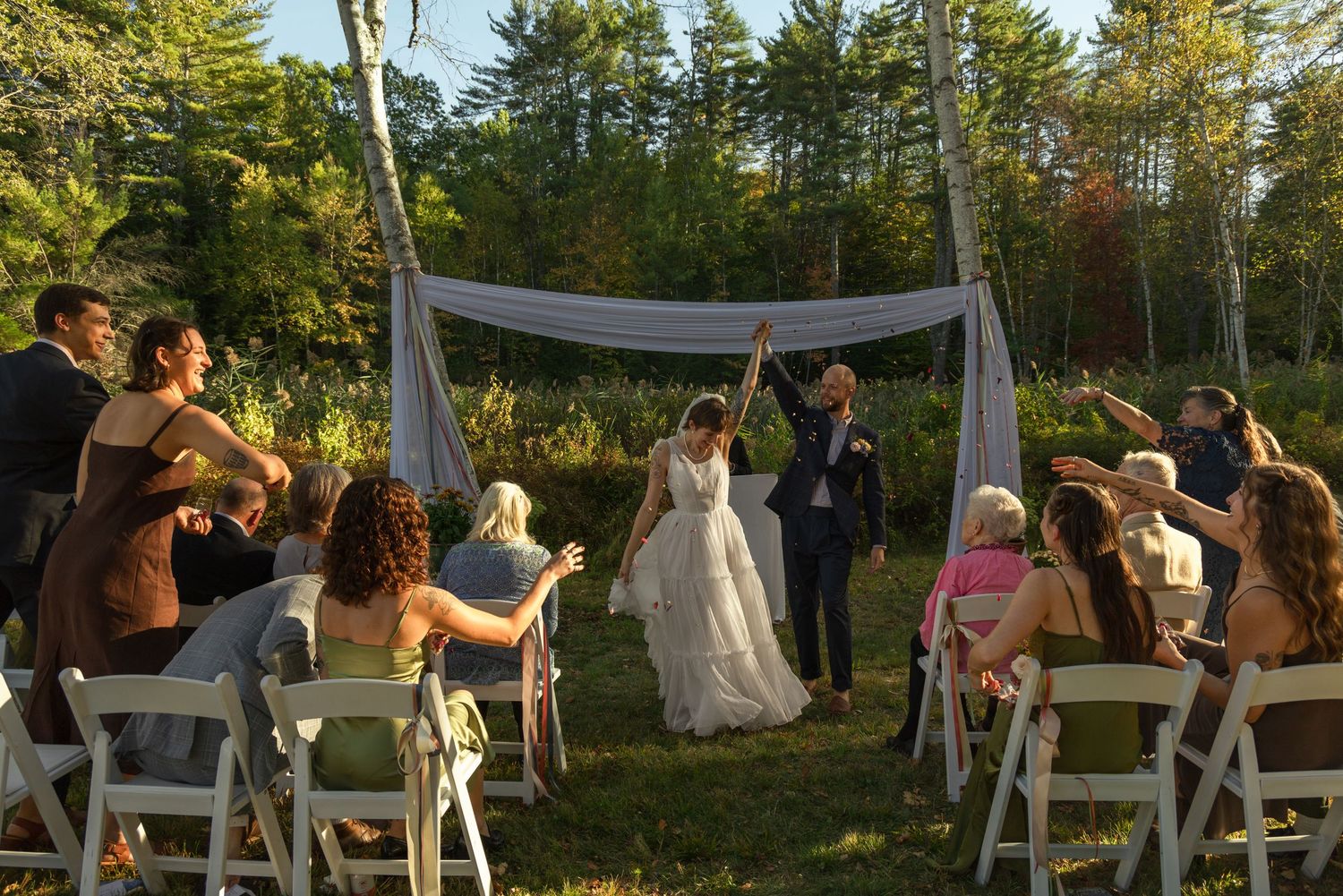
- What do you want to do during your ceremony exit? Pause for a kiss, a dip, celebrate halfway down, or walk straight through.
- Do you want to greet guests afterward or have a private moment? Greeting guests means staying at the end of the aisle (usually 15-30 minutes). If you prefer alone/private time, plan a nearby hiding spot where guests won’t see you.
- Unplugged Ceremony - If you want a device‑free ceremony for your photos, your officiant can make a clear announcement - I’ve included wording options below.
Short, simple decisions like these help your ceremony feel stress‑free!
Unplugged Ceremony- Officiant Speech
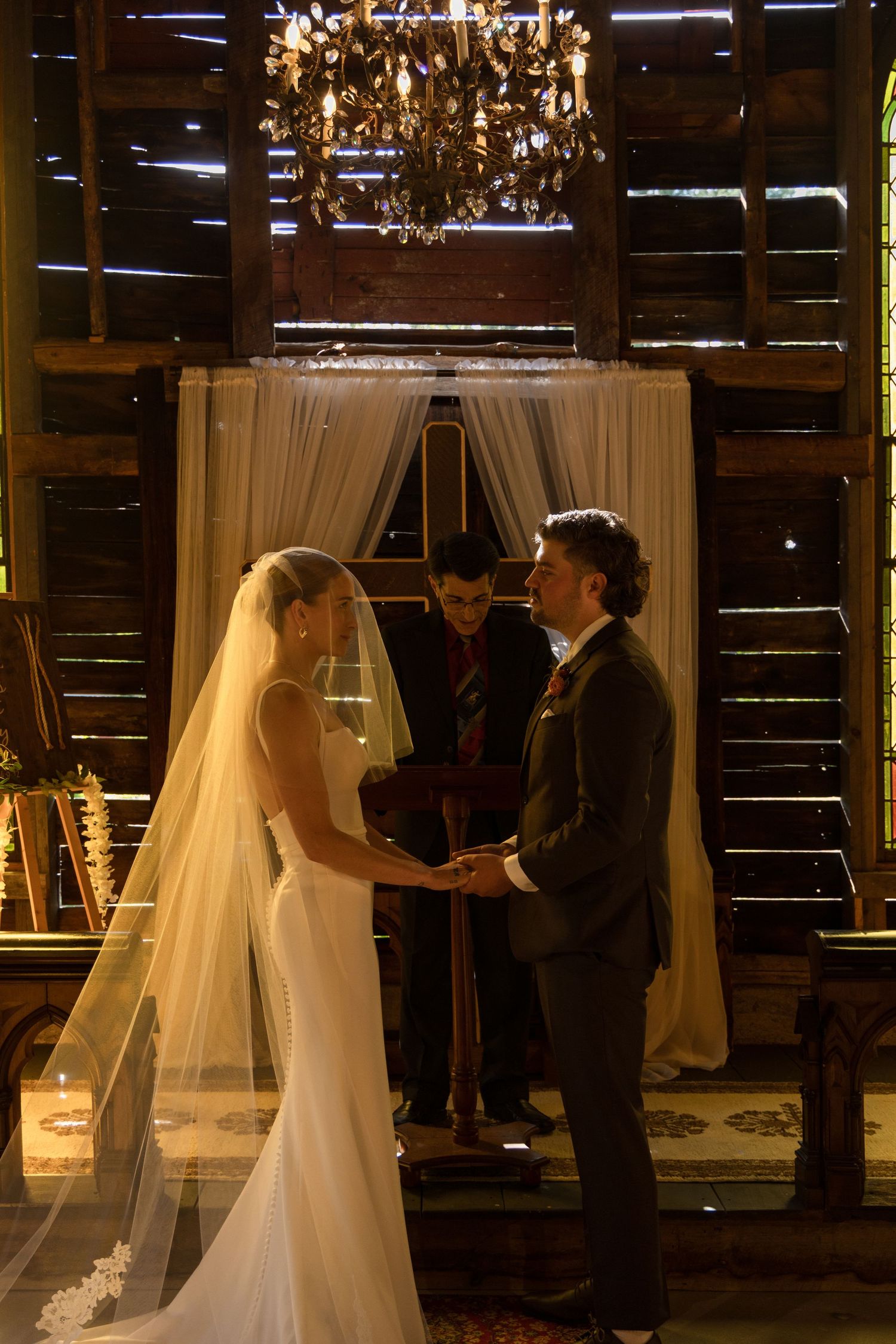
Signs alone rarely stop guests from using their phones during the ceremony - there are usually a few people who still take photos or videos. If you truly want a device‑free ceremony, the most effective approach is to have your officiant make a clear announcement. Here is a funny option that consistently works:
- Offer one designated photo moment. Before the ceremony begins, the officiant can say:
“Our couple has requested this to be an unplugged ceremony, you'll have one moment when I say, to pull out your devices and take a couple of photos. You’ll see the photographer moving around during the ceremony - they’ll be capturing both the couple and all of you. They want everyone to look their best, so let’s keep phones down so no one ends up being the one guy with a screen in all the photos.”
Once both partners have entered, the officiant can add:
“Guests are welcome to take photos now.”
After a brief pause:
“Please put all devices away and enjoy the ceremony.”
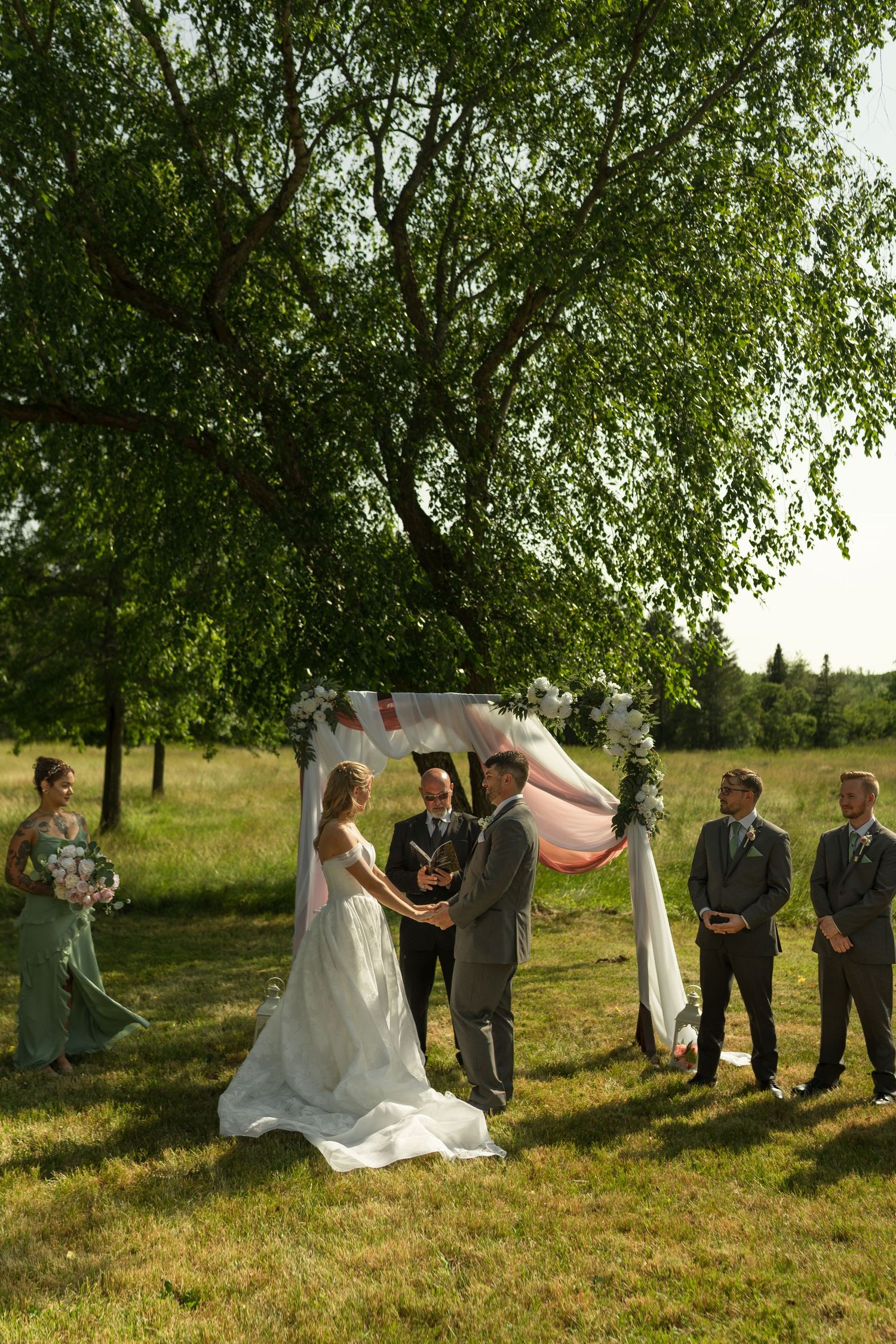
We will be keeping our distance and walking behind the guest seats during your entire ceremony. Our job is to document and also make sure your guests are able to enjoy and see everything during your ceremony.
Locations
Where will your ceremony be taking place? (Weather permitting, of course.) Knowing this ahead of time helps me plan for lighting, angles, and any backup options so I can capture your ceremony beautifully in any situation.
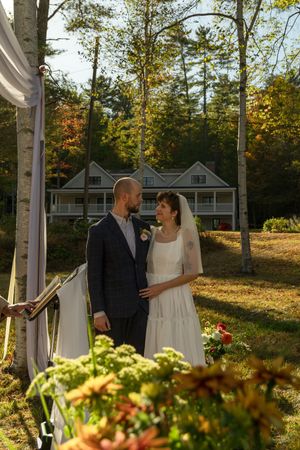
Lighting plays a huge role in how your ceremony looks in photos. Direct sunlight can create harsher shadows, while shaded or softly lit areas tend to photograph more evenly and romantically. If your venue allows flexibility, here are a few location types I often recommend for the best lighting:
- Shaded areas - under trees, beside buildings, or near architectural features
- Spaces with even, diffused light rather than patchy sun
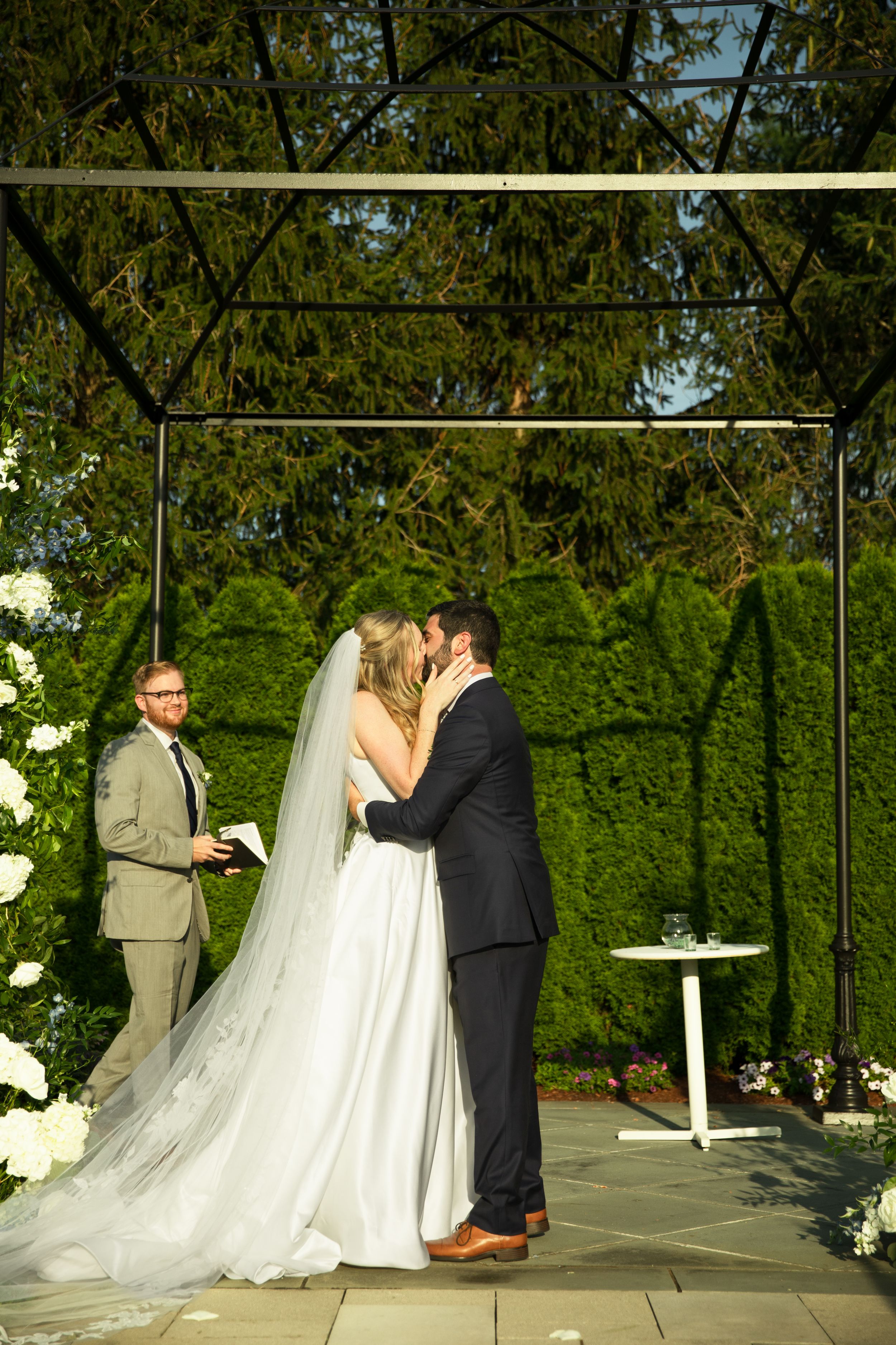
- Avoid standing inside a gazebo or small structure that only shades you and the officiant - it can create uneven lighting and dark shadows
We’ll talk through all of this during your timeline meeting so we can choose a ceremony spot that feels perfect for your photos!
Time Of Day
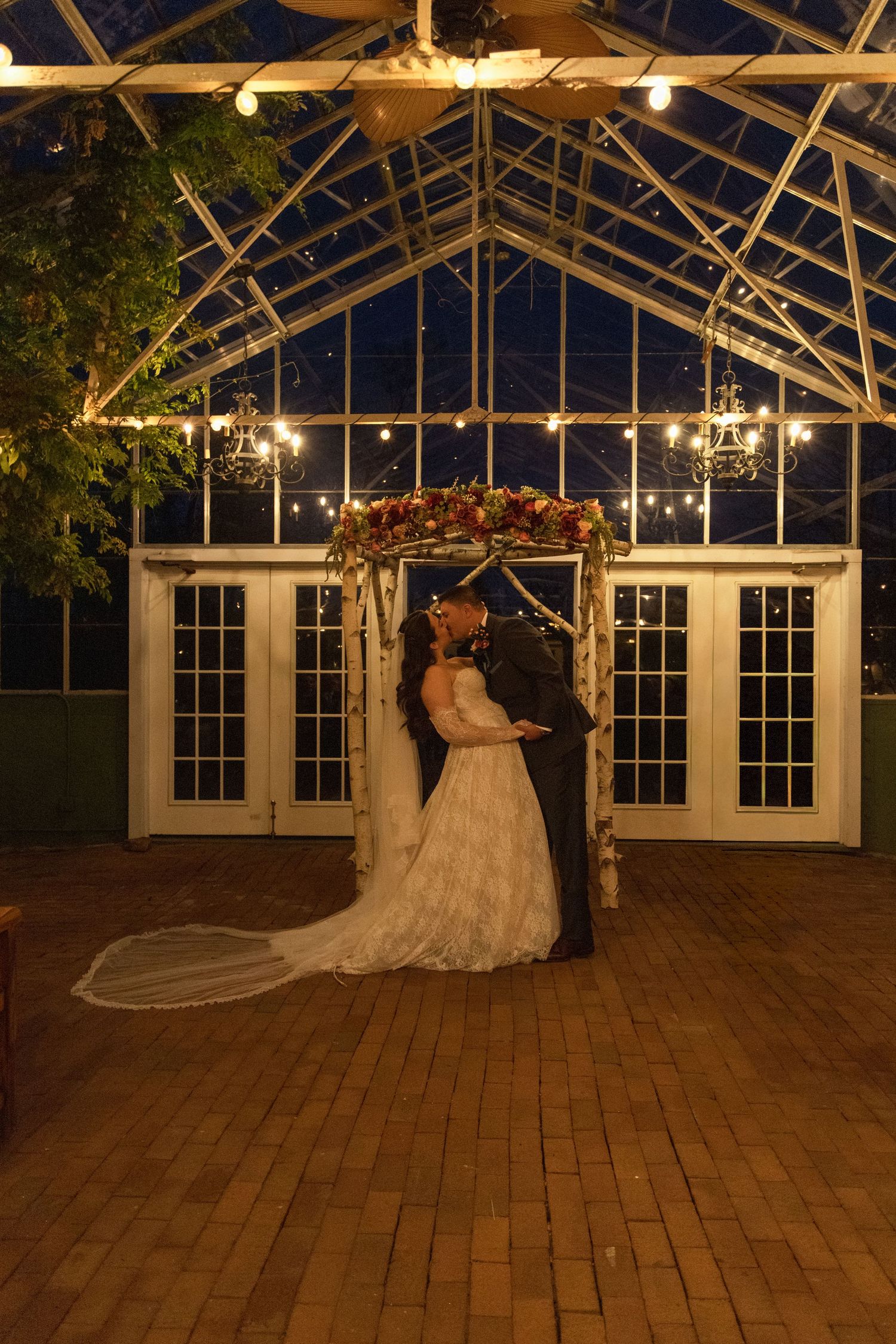
The time of day you choose for your ceremony will shape the entire look and feel of your photos. If you want soft, warm, glowing light, aim for a ceremony closer to golden hour. If you’re dreaming of something bold or unique, a night ceremony can be beautiful too. Deciding on the vibe you want helps us plan the perfect timing.
Here’s a quick breakdown of how different times of day are photographed during standard time:
- Morning (9-11 AM) - Bright, clean light with cooler tones.
- Midday (12-2 PM) - Strong, direct light - best if your ceremony is fully shaded or indoors.
- Late Afternoon (3-5 PM) - Softer, warmer light as the sun lowers.
- Golden Hour (1-2 hours before sunset) - The dreamiest, most flattering light, warm, soft, and romantic.
- Sunset - Beautiful colors and soft light, but timing is tight as it gets dark quickly.
- Night - Dramatic and creative, especially with candles or string lights.
We’ll talk through your vision during your timeline meeting so your ceremony time matches the look you love!
Special Traditions & Unity Ceremonies
Every couple brings their own traditions and meaningful moments into their ceremony, and I’m here to honor and document each one with care. Unity ceremonies are a beautiful way to symbolize joining your lives, whether sentimental, creative, or completely unique to you.
Here are some traditions and unity ideas I’ve seen couples include:
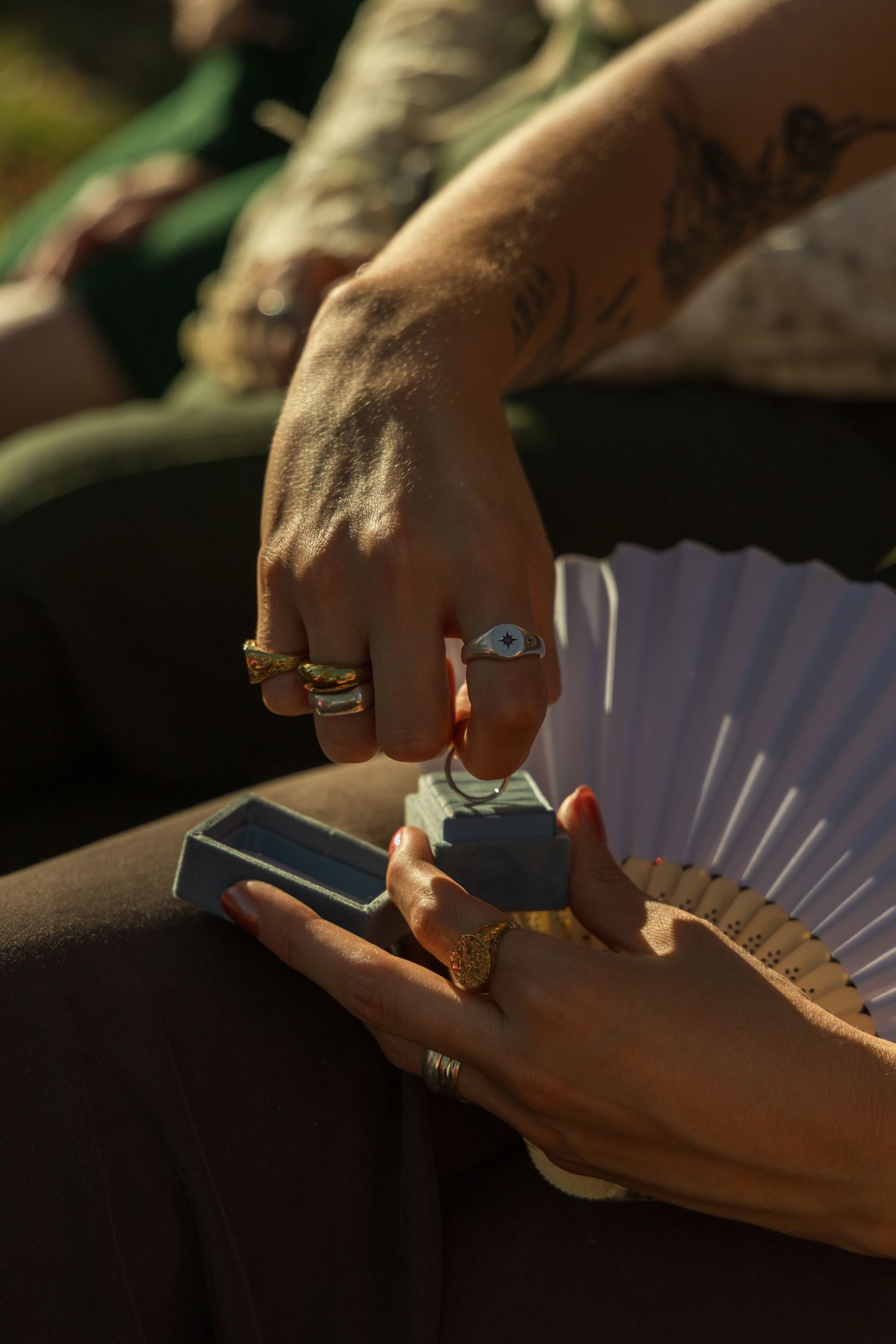
- Rings on a string
- Ring warming
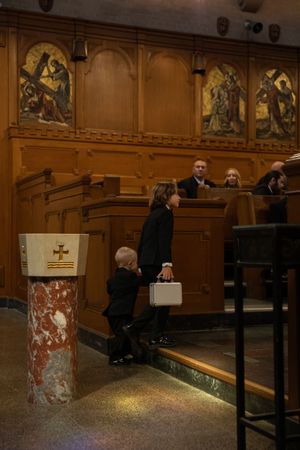
- A guest chosen as the ring bearer
- Candle lighting
- Sand ceremony
- Knot tying
- Unity painting
- Mothers bringing the rings to the couple
If you’re planning something special, just let me know!
Guest Participation
Some couples love adding a fun moment of celebration as they walk back up the aisle - something guests can wave, toss, or hold to make the exit feel even more joyful.
Here are a few ideas I’ve seen guests use to celebrate with you:
- Flower petals - if your venue requires biodegradable options, choose real petals from a florist or uncoated ones
- Confetti
- Bubbles - a little trickier to photograph in focus, but they can look magical
- Ribbons or string wands tied to a stick
These small touches add so much energy and make your ceremony exit feel extra special. If you’re planning to include anything like this, let me know during our timeline meeting so we can make sure it’s organized and photographed smoothly.
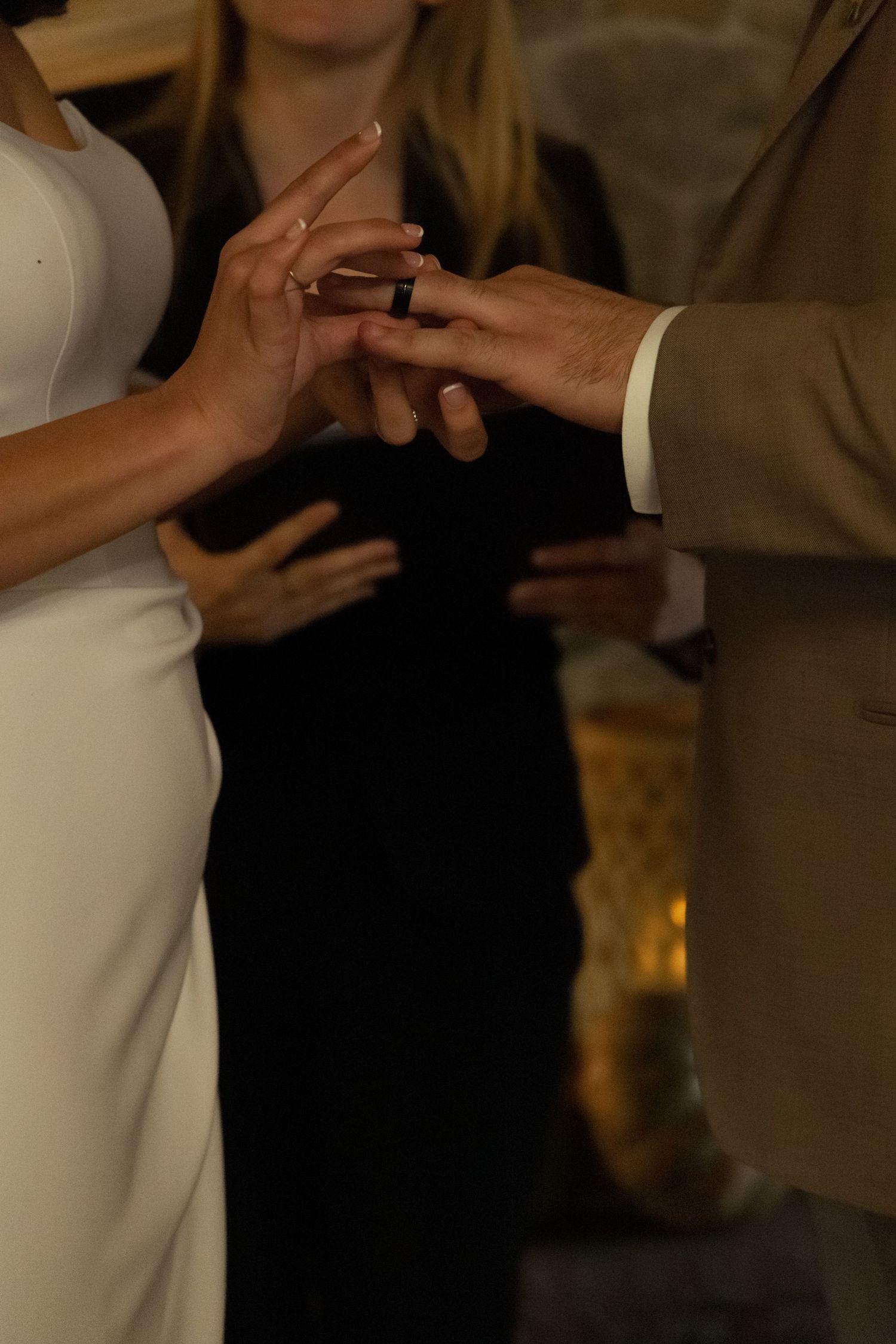
Ring Exchange
The ring exchange is one of the most meaningful parts of your ceremony, and I’ll be right there capturing the moment as it happens. One small tip that makes a big difference in photos: the partner whose hand is furthest from the camera should lift their hand slightly higher when the ring is being placed on their finger. This helps ensure the ring is clearly visible and not blocked by hands or angles.
Tips
Here are a few simple things that make a big difference in how your ceremony looks and feels:
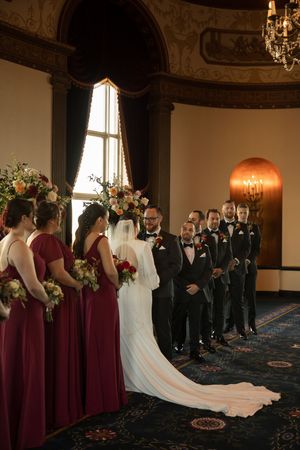
- During your rehearsal, mark the ground where you, your partner, and your officiant should stand so you’re centered.
- Keep your shoulders back and your chin slightly up and out - it helps with posture and photos.
- Remember to smile and look at each other throughout the ceremony.
- Holding hands during the ceremony is always sweet and photographs beautifully.
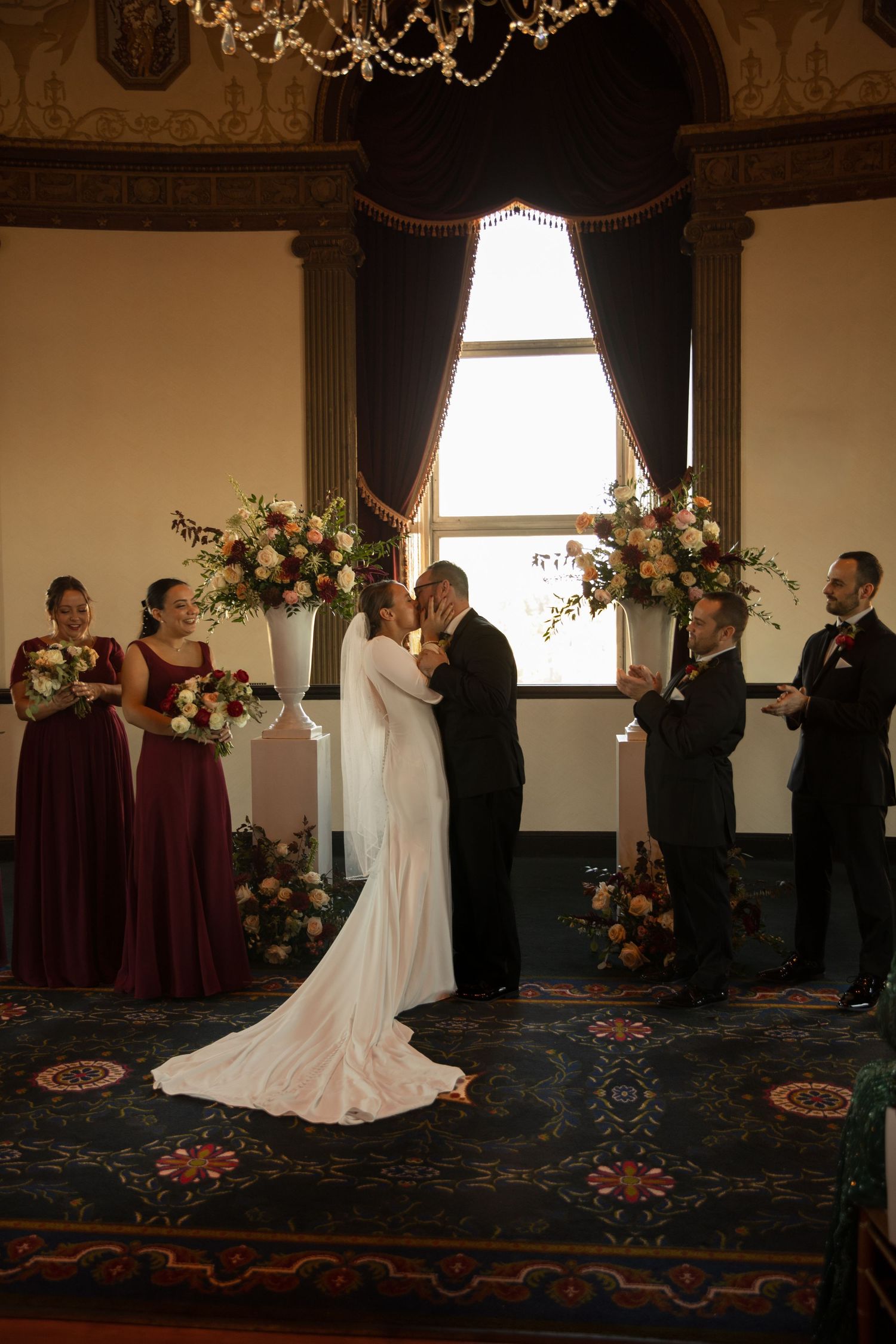
- For your first kiss, hold it for a moment - and go in for a second one. Avoid a quick peck.
- Double‑check daylight savings or standard time before choosing your ceremony time and sending out save‑the‑dates. Make sure the sun will look the way you want for your photos.
These small details help everything flow smoothly and ensure your ceremony looks exactly how you envisioned.
If you want your ceremony captured with heart, intention, and artistry, I’d love to be part of your day.